
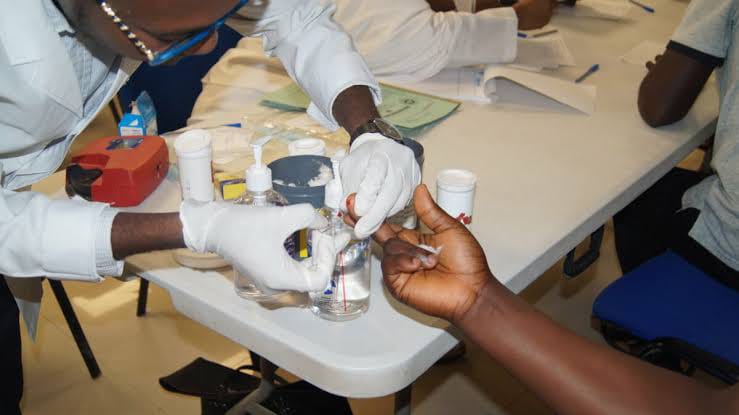
Sickle cell disease now accounts for 13.5% of all blood transfusions in Nebbi District, with health officials warning that the growing demand is straining blood stocks and threatening the availability of lifesaving transfusions for other patients.
District health data for the 12 months ending June 2026 shows that sickle cell disease has overtaken cancer and iron deficiency anaemia to become the second-largest consumer of blood after acute malaria.
Officials say the trend has placed increasing pressure on blood supplies serving Angal Hospital, Goli Health Centre IV and Nebbi General Hospital.
They are now calling for a dedicated sickle cell clinic, expanded community screening programmes and intensified blood donation campaigns, particularly among families of patients living with the disease.
Health officials attribute the rising demand for blood to delayed diagnosis and inadequate prevention measures.
Although Angal Hospital and Nebbi General Hospital operate chronic disease clinics, many patients seek treatment only after developing severe complications requiring blood transfusions.
Officials also say low uptake of voluntary sickle cell screening means many people are unaware they carry the sickle cell trait before marriage and childbearing, increasing the risk of passing the condition to future generations.
The growing demand for blood is also affecting care for other patients.
Officials say shortages have led to delays in treating severe malaria, cancer patients, surgical cases, accident victims and mothers experiencing postpartum haemorrhage.
District records indicate that more than 500 suspected and confirmed sickle cell cases had been recorded cumulatively by June 2026, against an estimated 924 people expected to have the condition in a district population of 308,081.
Acting District Health Officer Dr Justine Okwairwoth said the cumulative figures include repeat clinic visits by patients receiving ongoing care.
"With improving services, the number of sickle patients is increasing because we do screening at our chronic disease clinic. Numbers could be rising because when you schedule an appointment with a patient, he or she can be counted more than once so long as they seek services," Okwairwoth said.
He said improved diagnosis and treatment had helped reduce deaths among people living with sickle cell disease.
"As a district guided by the Ministry of Health, we are focusing on sickle cell screening. We want to reach a point where we make screening part of premarital arrangements and it becomes part of our advocacy," he added.
Assistant District Health Officer for Maternal Health, Sister Joyce Opiem Cengmoko, said advances in screening have significantly improved survival rates and public understanding of the disease.
"Previously, if you were a carrier you would give birth to four or more children and they would die. People would start labelling you a witch without knowing it was sickle cell," she said.
"Now with screening, couples know their status early and can make informed decisions."
Health records show that 3,626 units of blood were collected in Nebbi District between July 2025 and June 2026.
Of these, 814 units (22.4%) were used to treat patients with acute malaria, while 490 units (13.5%) went to patients with sickle cell disease.
A further 473 units (13.0%) were used during surgical procedures, with the remaining blood allocated to accident victims, obstetric and gynaecological emergencies, cancer patients and people with other blood disorders.
Sickle cell disease is an inherited blood disorder passed from parents to their children. It is characterised by abnormal red blood cells that can block blood flow, causing severe pain, chronic anaemia, recurrent infections and organ damage.
According to the Ministry of Health, about 13 in every 100 Ugandans carry the sickle cell gene, placing Uganda among the countries with the highest burden of sickle cell disease globally.
National estimates put the carrier rate at between 13% and 15%, meaning roughly six million Ugandans carry the sickle cell trait.
